
Warning Signs of Damaged Roof Flashing
Flashing directs water away from areas where the roof meets walls, chimneys, skylights, vents, or valleys. If flashing loosens, corrodes, or loses its seal, rain can enter even when tiles or shingles appear intact.
A water stain near a roof transition is a common warning sign. Discoloration on ceilings or walls around skylights, chimneys, or exterior walls may indicate flashing issues. Stains may appear only during heavy or wind-driven rain and dry out between storms. Since water can travel before becoming visible indoors, the stain may not mark the exact entry point.
From the ground, look for flashing that appears bent, lifted, or out of place. Pay attention to gaps where roofing meets walls, loose metal edges, or cracked and separated sealant. Rust or staining near exposed metal may also indicate problems, though some flashing is hidden beneath roofing materials and cannot be inspected from the ground.
Do not ignore intermittent leaks. If water appears only when rain comes from a certain direction, wind may be forcing it through a weak joint. Damp insulation, peeling paint, or a musty odor near the area can signal moisture that has persisted beyond the most recent storm.
These signs do not always confirm flashing as the cause. Damaged roofing materials, deteriorated underlayment, or water entering through adjoining walls can create similar issues. A roofing professional can inspect the area and trace the water path before recommending repairs.
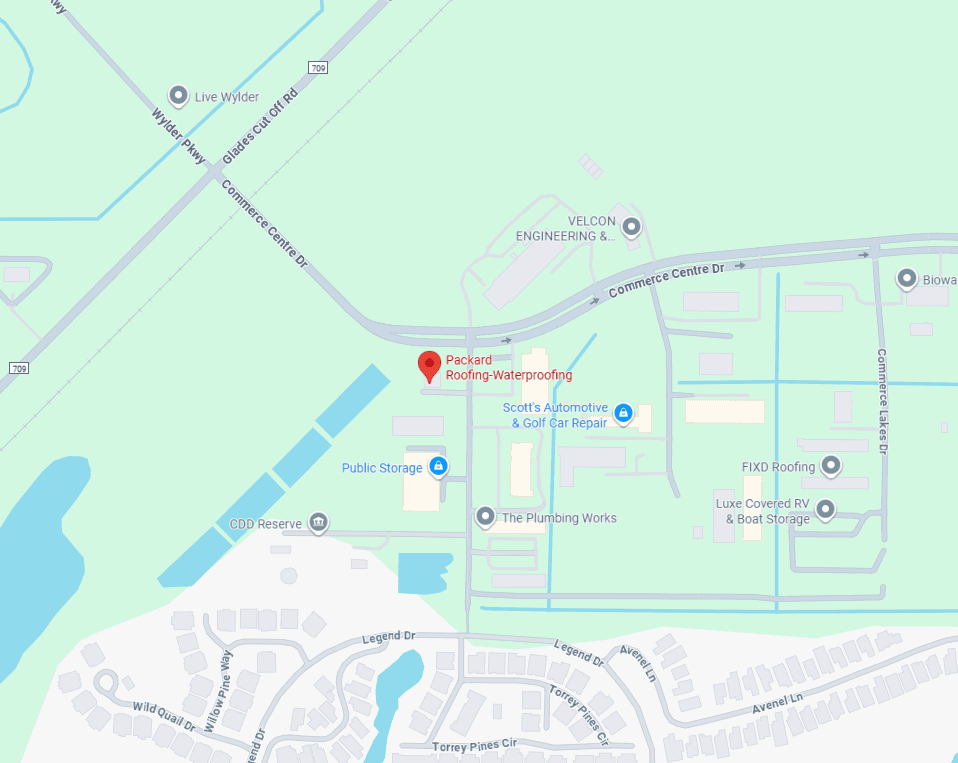
If you notice a potential issue, take photos from a safe location and record when the leak occurs. Do not climb onto the roof or apply sealant before identifying the source. Packard Roofing & Waterproofing, Inc. can help Treasure Coast homeowners assess suspected flashing damage and recommend the next steps.